
Conditions Dr Erblich sees
Abnormal blood test results
Being told a blood result is "abnormal" can be unsettling, but many changes in a blood count have a straightforward or manageable explanation. Whether your haemoglobin, white cells or platelets are high or low, Dr Erblich can investigate the cause and explain what needs to happen next.

What an abnormal result can mean
A flagged result means something is worth a closer look. It is not a diagnosis, and most have a common, manageable cause.
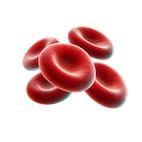
Red blood cells

Red blood cells carry oxygen around the body. Abnormal results may include:
-
Low haemoglobin (anaemia)
Commonly caused by iron deficiency, vitamin deficiency, blood loss, inflammation or other medical conditions.
-
High haemoglobin or haematocrit (erythrocytosis/polycythaemia)
This can occur for a number of reasons and sometimes requires investigation for an underlying bone marrow condition.
-
Changes in red cell size
Such as a high or low MCV, which can help identify the cause of anaemia or other abnormalities.

White blood cells

White blood cells form part of the immune system. Changes may affect the overall white cell count or an individual type of white cell.
-
Low white cells or neutrophils (leucopenia/neutropenia)
Sometimes related to infection, medication, autoimmune conditions or bone marrow problems.
-
High white cell count (leucocytosis)
Commonly occurs with infection or inflammation but occasionally needs investigation for a blood disorder.
-
Raised lymphocytes (lymphocytosis)
Often reactive, although persistent lymphocytosis may require assessment for conditions such as CLL.
Other abnormalities can include changes in eosinophils, monocytes or the appearance of cells on the blood film.

Platelets

Platelets help the blood to clot.
-
Low platelets (thrombocytopenia)
May increase the tendency to bruise or bleed and can have many different causes.
-
High platelets (thrombocytosis)
Often reactive to inflammation or iron deficiency, but persistent elevation sometimes requires investigation for a bone marrow disorder.
An abnormal platelet count does not necessarily mean something serious, but persistent or marked changes deserve assessment.
Other abnormal blood tests
Dr Erblich also investigates abnormalities in clotting tests, ferritin and iron studies, paraproteins and other blood proteins where specialist haematology assessment is appropriate.
How Dr Erblich can help
-
Initial consultation
A careful review of your blood results, medical history and symptoms, with further investigations arranged where appropriate.
-
Blood film microscopy
When useful, he examines the cells under the microscope to look for changes that may help explain an abnormal result.
-
Further blood tests
Targeted investigations can help determine whether an abnormal result is temporary, reactive or due to an underlying blood disorder.
-
Bone marrow biopsy
If blood tests alone do not provide the answer, a bone marrow aspirate and trephine biopsy can sometimes give important additional information about how the blood cells are being produced.
Book a consultation with Dr Erblich
Using private medical insurance? Please check your cover with your insurer before booking.
What happens at a first consultation